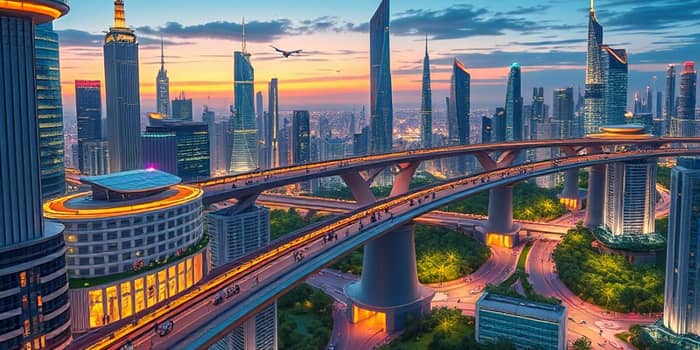
As cities around the world swell with new residents, the pressure to create efficient, sustainable, and livable environments has never been greater. Urban renewal fueled by smart city technologies offers a pathway to address rising demands, transforming aging infrastructure into dynamic ecosystems.
By 2050, 68% of the global population—an additional 2.5 billion people—will reside in cities. Smart urban renewal strategies promise to accommodate growth while preserving quality of life, reducing environmental strain, and unlocking vast economic potential.
The global smart city market is on a meteoric trajectory, projected to expand from USD 762.7 billion in 2023 to USD 4,605.7 billion by 2033 at a 19.7% CAGR. By 2026, smart urban initiatives could generate up to $20 trillion in economic benefits, reshaping industry and governance.
Annual revenues from smart city technology surged from $43.72 billion in 2020 to an anticipated $165.8 billion by 2028. Investments in nature-based solutions—green infrastructure—are set to climb from $28 billion in 2021 to $600 billion by 2030, underscoring a shift toward eco-conscious urban planning.
Smart cities rest on a foundation of cutting-edge technologies that enable real-time decision-making, resource optimization, and enhanced citizen services. Key drivers include:
Real-time IoT deployments can reduce traffic congestion by up to 25% and energy usage by as much as 30%. In 2025, over 60% of urban leaders will deem IoT adoption transformative in city operations, improving emergency response and public safety.
Renewable energy integration is central to resilient urban design. By 2040, renewables are expected to supply 84% of global electricity, 65% of household heating, and 38% of industrial heating. This shift will be bolstered by smart grids and decentralized energy systems.
Electricity from renewables is projected to rise from 61% in 2030 to 88% by 2050. Such progress supports long-term environmental stewardship and prepares cities for climate-related stresses, from heatwaves to severe weather events.
Smart urban renewal extends beyond infrastructure; it fosters inclusive growth, job creation, and improved quality of life. Cities adopting advanced digital services have seen operating costs fall by 85% in the European Union, while GDP per capita can rise by 21% in tech-enabled municipalities.
Key advantages include:
Digital government submissions tripled in OECD countries between 2006 and 2016, reaching 36% of citizens. Such progress underscores the potential of digital-first governance frameworks to improve citizen engagement and trust.
Top-ranked smart cities achieve a delicate balance between technology, sustainability, and liveability. Institutions such as the IMD Smart City Index highlight urban innovators across multiple continents.
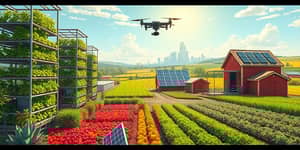
Singapore stands as a paragon of comprehensive smart city deployment—green rooftops, automated traffic management, and integrated healthcare sensors drive high living standards and resilience. Its advanced water recycling and vertical farming projects exemplify holistic urban ecosystems.
In Europe, London boasts the highest density of AI and IoT firms, leveraging big data to optimize public transit and energy distribution. Stockholm’s 5G upload speeds and thriving tech ecosystem illustrate how connectivity underpins rapid innovation.
Across the U.S., Atlanta leads in network infrastructure, while Columbus and San Francisco demonstrate the power of real-time data to alleviate traffic congestion, reduce emergency response times, and streamline utility management.
Despite compelling benefits, deploying smart city technologies involves hurdles: securing sustained investment, aligning multi-stakeholder policy frameworks, ensuring data privacy, and addressing scalability across diverse urban contexts.
Effective solutions require public–private partnerships, clear regulatory standards, and citizen-centric design. Transparent data governance models and inclusive stakeholder engagement are critical to building trust and achieving long-term success.
Urban renewal through smart city development represents a transformational journey—one that harmonizes technology, sustainability, and human-centered design. As cities invest in IoT networks, renewable energy, and digital services, they can unlock unprecedented economic growth while safeguarding environmental health.
The future belongs to urban centers that embrace innovative, resilient infrastructures. By capitalizing on smart city opportunities today, communities worldwide can create thriving, inclusive, and sustainable habitats for generations to come.
References